Skilling India’s Future: Vocational Training Programs That Create Sustainable Livelihoods
Most young Indians who find work learn their trade on the job, from a relative, a neighbour or an older worker. Very few get formal training first. The Periodic Labour Force Survey (PLFS) for 2025, released by the National Statistics Office on 27 March 2026, found that only 4.2 per cent of people aged 15 to 59 had received or were receiving formal vocational or technical training. Among those aged 15 to 29, the figure was 5 per cent.
This is the fifth article in Samridhi Foundation’s 20-part series on grassroots empowerment, education and social welfare. The last one looked at holistic child development. Here we look at vocational training: what the main public schemes have achieved, why a certificate does not always lead to a steady income, and what makes a skilling programme work for the people it is meant to serve.
What the numbers show
The same PLFS report suggests that training makes a difference to who works. Among people aged 15 to 59 with formal vocational training, 83.3 per cent of men and 51.4 per cent of women were in the workforce. The survey also found that 21 per cent of people aged 15 to 24 were not in employment, education or training.
Government schemes have reached large numbers, but the results are mixed. Under the first three phases of the Pradhan Mantri Kaushal Vikas Yojana (PMKVY), between 2015-16 and 2022-23, 1.11 crore candidates were certified. The Ministry of Skill Development and Entrepreneurship (MSDE) has told Parliament that 24.38 lakh of them were reported placed, about 22 per cent of everyone certified. Placement was tracked only for the short-term training component, where the government puts the rate at about 43 per cent and a 2025 audit by the Comptroller and Auditor General put it at about 41 per cent.
PMKVY 4.0, which began in 2022, no longer links training to placement targets. The ministry says the aim is to let trained candidates choose their own path, including self-employment. Many people drop out along the way. In February 2025, for every 100 candidates enrolled under PMKVY 4.0, 78 had been trained, 52 assessed and 47 certified. By 31 December 2025 the scheme had enrolled 33.47 lakh people and certified 18.80 lakh. Earlier this year the ministry said it was preparing a fifth version of the scheme.
The Ministry of Rural Development’s scheme for rural youth, Deen Dayal Upadhyaya Grameen Kaushalya Yojana (DDU-GKY), works differently. Training providers are expected to place at least 70 per cent of their trainees. Since 2014-15 it has trained about 18.47 lakh young people from poor rural households and placed about 12.43 lakh, roughly two in three. In August 2026 a parliamentary standing committee raised concerns about trainees left without jobs and about low salaries after placement. Alongside it, Rural Self Employment Training Institutes (RSETIs), run with banks, have trained 63.47 lakh people to start their own work, and report 45.60 lakh of them as settled.
Why training does not always lead to a livelihood
People who run skilling centres tend to see the same problems again and again.
- Courses that do not match local jobs. A batch of beauticians or data-entry operators in a district with few openings for either will struggle, however good the teaching.
- Jobs far from home. Placements are often in big cities. Young people from villages face high rents, unfamiliar surroundings and low starting pay, and many return within months.
- Dropping out before the end. Trainees from poor families may leave for paid work, a family need or the harvest season.
- No support after the certificate. A first job is fragile. Without someone to call when problems arise, it is easy to give up.
- Extra barriers for women. Distance, safety, household work and family permission all affect whether a young woman can attend a course or take a job.
What makes a skilling programme work
Start with local demand
Before choosing a course, it helps to talk to the employers within reach: small manufacturers, hospitals and clinics, construction firms, shops, transport operators and service businesses. The question is simple. Which roles do they struggle to fill, and what do they pay? Courses should follow the answers.
Choose trainees carefully and help them finish
Counselling before enrolment helps young people pick a trade they want and can realistically do. Batch timings that fit around farm work or household duties, a small stipend or travel support, and regular contact with families all help reduce dropout.
Learn by doing
Trainees learn most with tools in their hands. Courses under PMKVY 4.0 now include on-the-job training, and apprenticeships with local employers give young people real work experience and a reference.
Stay in touch after the course
Good programmes follow up for six to twelve months. For those who migrate, help with safe housing and a contact in the new city matters. For those who start their own work, links to bank credit, RSETIs and self-help groups can make the difference between a hobby and a business.
Design for women from the start
Training close to home, safe transport, flexible hours and space for young children make a big difference. So do trades with a real local market, from tailoring and food processing to repair work and care services.
The role of ITIs
Industrial Training Institutes (ITIs) are the backbone of formal trade training in India. According to the Union Cabinet, the number of ITIs has grown by nearly 47 per cent since 2014, to 14,615, with 14.40 lakh students enrolled. ITIs have, however, often been seen as a second choice, with old equipment and courses that lag behind industry.
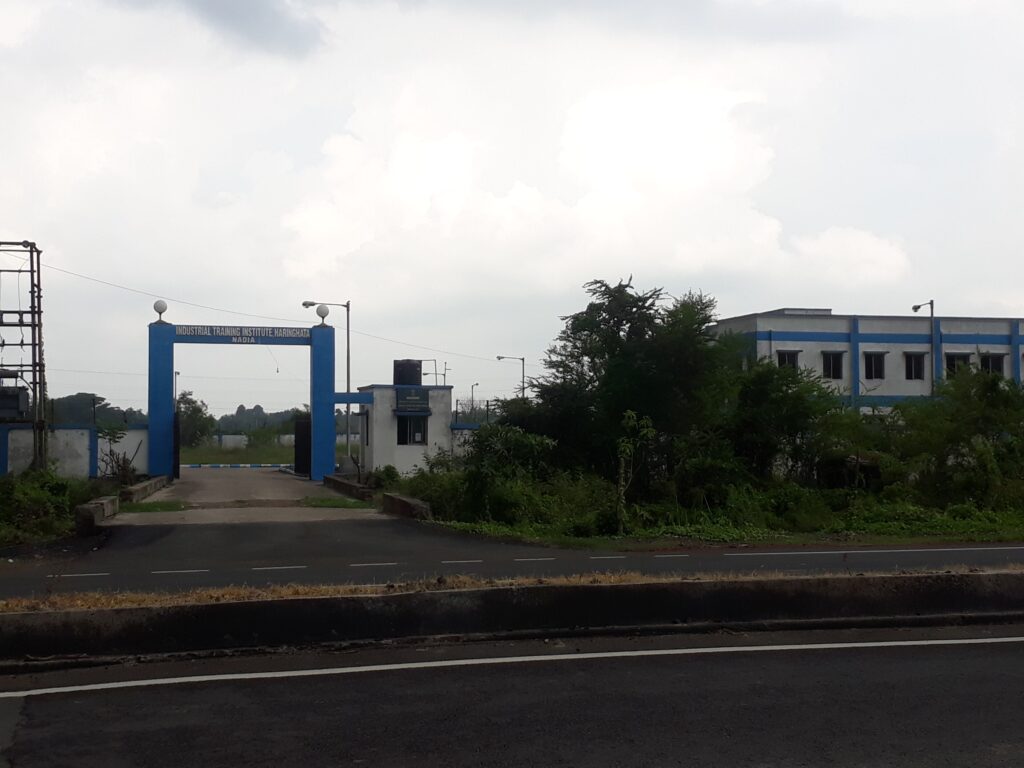
In May 2025 the Cabinet approved a national scheme to upgrade 1,000 government ITIs in a hub-and-spoke arrangement and set up five National Centres of Excellence for Skilling. The outlay is ₹60,000 crore over five years: ₹30,000 crore from the Centre, ₹20,000 crore from states and ₹10,000 crore from industry, with the Asian Development Bank and the World Bank co-financing half the central share. Upgraded ITIs are meant to be run through industry-led special purpose vehicles. For community organisations, this is a chance to help young people from poor households find and stay in these seats.
Where NGOs and CSR partners fit
Public schemes provide the money and the infrastructure. Community organisations can make them work better on the ground by:
- reaching young people who never hear about the schemes, and counselling them and their families;
- running short bridge courses in reading, maths, digital skills and workplace English before formal training begins;
- linking women in self-help groups to enterprise training and credit;
- following up with trainees after placement and helping when jobs fall through;
- bringing local employers into course design and assessment.
For donors and CSR partners, a few measures show whether a programme is working: the share of enrolled trainees who finish, the share in work six and twelve months later, their monthly earnings compared with before, and the share of women at each stage. Funding the follow-up period, and not only the training itself, is often where support goes furthest.
Key Takeaways for Social Impact
- PLFS 2025 found that only 4.2 per cent of people aged 15 to 59 had formal vocational or technical training.
- Under the first three phases of PMKVY, about 22 per cent of certified candidates were reported placed. DDU-GKY reports placing about two in three trainees, short of its 70 per cent target.
- Training leads to livelihoods when courses match local demand, trainees are supported to finish and there is follow-up after placement.
- Women need training designed around distance, safety and time, and trades with a real market.
- The ₹60,000 crore ITI upgrade scheme is a chance to connect young people from poor households with better training.
- Donors and CSR partners get the clearest picture by tracking completion, work and earnings at six and twelve months.
Would you like to support young people in your area as a mentor, an employer, a trainer or a funding partner? Get in touch with Samridhi Foundation to find out how. Next in this series: overcoming barriers to healthcare in remote communities.