Health at the Doorstep: Overcoming Healthcare Access Barriers in Remote Communities
For a family in a remote village, the nearest doctor may be a long bus ride away, and a specialist further still. The trip can cost a day’s wages before any treatment begins. Many people put off care until an illness becomes serious, or end up paying a private clinic they can barely afford.
This is the sixth article in Samridhi Foundation’s 20-part series on grassroots empowerment, education and social welfare. The last one looked at vocational training. Here we look at rural healthcare access: what has improved at village level, where the gaps still are, and what helps care reach people who live far from a hospital.
Care closer to home
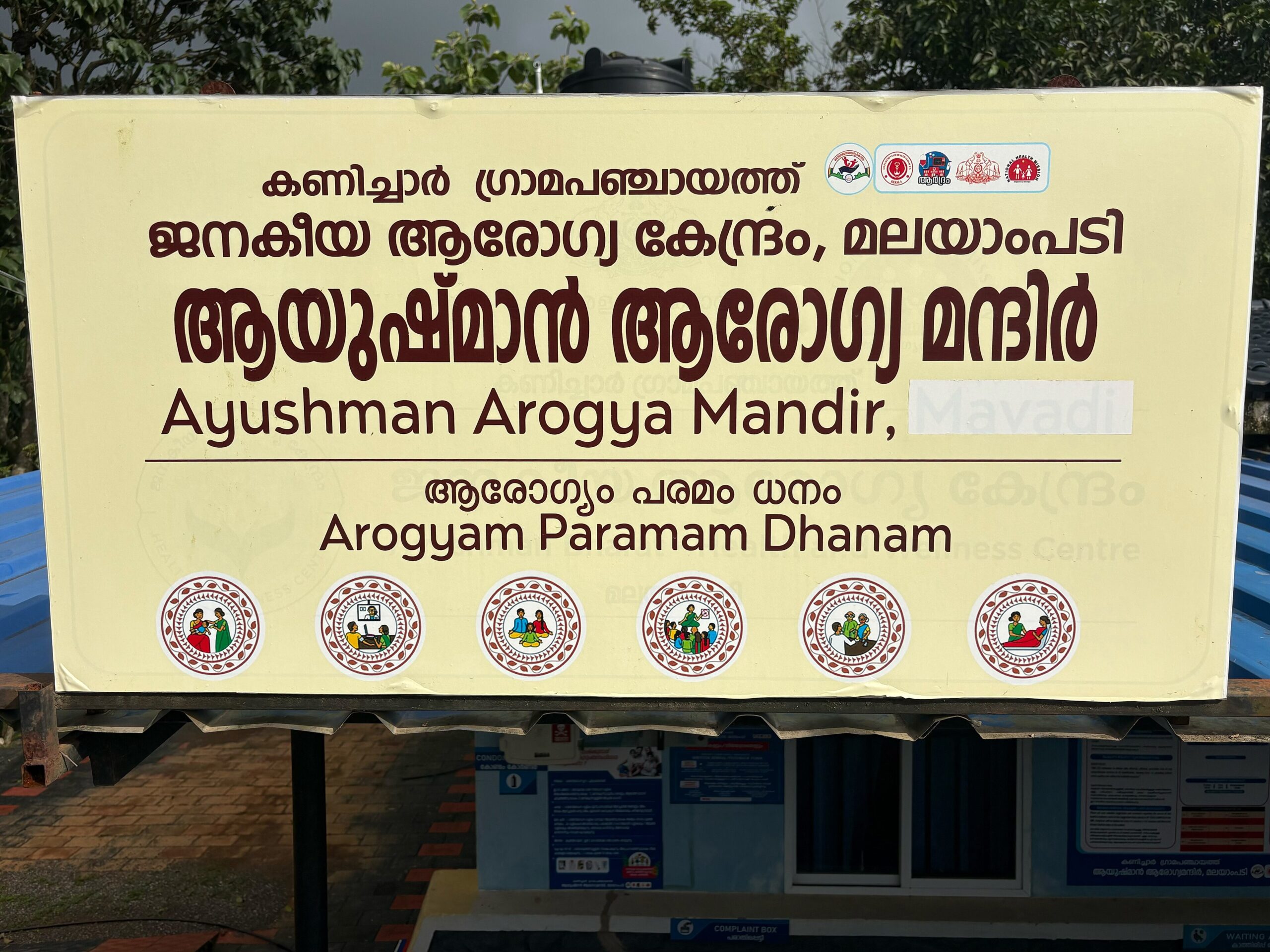
Primary care now reaches further into villages than it did a decade ago. Under Ayushman Bharat, sub-centres and primary health centres have been upgraded into Ayushman Arogya Mandirs. As of 12 August 2026, more than 1.86 lakh of them were functional. They offer 12 free services, including care in pregnancy and childbirth, child health, and screening for diabetes, hypertension and other common non-communicable diseases. Together they have recorded more than 540 crore visits.
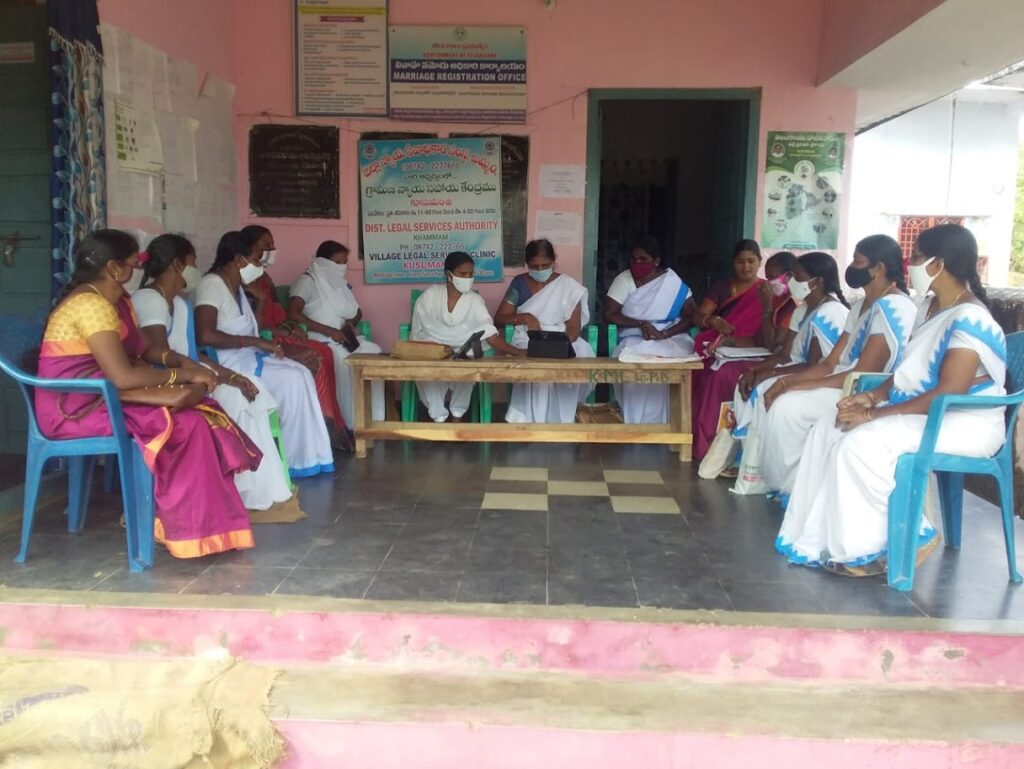
The link between these centres and households is the Accredited Social Health Activist (ASHA). A government factsheet released in September 2026 put their number at more than 10.40 lakh. ASHAs are women chosen from the community they serve. They go with pregnant women for deliveries, track immunisation, visit newborns and, more and more, help screen adults for chronic illness.
Telemedicine has added another route. eSanjeevani, the national telemedicine service, crossed 50 crore consultations on 15 September 2026. The health ministry says women account for 57 per cent of its use and people aged 46 and over for about 40 per cent. More than 41 crore teleconsultations had been delivered through Ayushman Arogya Mandirs by October 2025, where staff connect a patient to a doctor at a hub.
Where the gaps remain
Moving from the village centre to the next level of care is still hard. Community health centres (CHCs) at block level are meant to have a surgeon, a physician, an obstetrician-gynaecologist and a paediatrician. According to the health ministry’s Health Dynamics of India 2023-24, rural CHCs had 5,223 specialists in post against a requirement of 14,137, and about 63 per cent of specialist posts were vacant. In Punjab, not a single CHC had all four specialists.
Cost is the other barrier. The National Health Accounts estimates for 2023-24 show that households paid 42.7 per cent of India’s total health spending out of their own pockets, down from 64.2 per cent in 2013-14. The share has fallen as government and insurance spending have grown, but the amount families pay has kept rising, to ₹4,06,197 crore in 2023-24, or ₹2,901 per person. Medicines make up about 30 per cent of current health spending.
Ayushman Bharat PM-JAY covers hospital treatment for eligible families. By August 2026 more than 45.5 crore Ayushman cards had been issued and the scheme had covered 12.69 crore hospital admissions. Costs it does not pay, such as travel, lost wages and outpatient medicines, still fall on the family.
Mobile medical units (MMUs) are meant to reach places with no facility nearby. National Health Mission norms allow one MMU per 10 lakh people, up to five per district, relaxed to ten in districts with Particularly Vulnerable Tribal Groups. According to the ministry’s revised MMU guidelines, 1,453 units were functional in September 2025. By February 2026 a further 815 were running under PM-JANMAN and 320 under the Dharti Aaba Janjatiya Gram Utkarsh Abhiyan in tribal areas. The same guidelines note that in some areas the units are under-used.
What keeps people from care
- Distance and terrain. Hills, forests, rivers and poor roads, especially in the monsoon, can cut a village off for weeks.
- Empty posts and irregular hours. A centre that is often closed, or has no doctor or medicines on the day, teaches people not to come back.
- Costs beyond the consultation. Transport, lost work and medicines add up, even when treatment is free.
- Not knowing what is available. Many families do not know which services are free, whether they hold an Ayushman card, or how to use telemedicine.
- Who can travel. Women may need permission or someone to go with them, and older people may not manage the journey alone.
What helps care reach the last house
Back the ASHA
An ASHA who is paid on time, has her drug kit restocked and gets a response when she refers a patient can do far more than one left to manage alone. Community organisations can help with transport for referrals, with record-keeping, and with follow-up visits to patients with chronic illness.
Make outreach regular
Outreach works when people know when it is coming. A mobile unit or health camp that visits the same place on the same day each month, announced through the panchayat, self-help groups and the ASHA, draws more people than a one-off camp. Follow-up matters as much as the first visit. Someone found to have high blood pressure needs medicines and a check every month after that.
Help people use telemedicine
A smartphone app is of little use to someone who cannot read or has no data connection. Teleconsultation works best when a trained person at the village centre sets up the call, explains the advice afterwards and makes sure the prescribed medicines are in stock.
Plan for emergencies
In childbirth, snakebite, accidents and heart attacks, the time it takes to reach a hospital can decide the outcome. Villages can keep a list of ambulance numbers and of local vehicles that can be called on, and ASHAs can help families plan ahead for a delivery. eSanjeevani is now linked to the 112 emergency response system, which adds one more route.
Help families claim what they are entitled to
Help with Ayushman cards, Ayushman Bharat Health Account (ABHA) numbers and state health schemes means families do not pay for care that should be free. Village Health, Sanitation and Nutrition Committees give communities a say in how their local health services are run, and they work better when members know their role.
Where NGOs and CSR partners fit
The government provides most primary care in rural India. Community organisations can make it easier to use by:
- running regular outreach in hamlets far from the nearest centre, in step with the local health system;
- training volunteers and supporting ASHAs with transport, records and follow-up;
- setting up and staffing assisted telemedicine points where connectivity allows;
- helping families enrol in health schemes and get their Ayushman cards;
- funding referral transport for pregnant women and emergencies.
For donors and CSR partners, useful measures include the share of people screened who come back for follow-up, the share of pregnant women with four antenatal check-ups and a facility delivery, travel time to the nearest facility before and after a project, and how much families spend on care. Projects that work through government facilities and strengthen them leave something in place when the funding ends.
Key Takeaways for Social Impact
- More than 1.86 lakh Ayushman Arogya Mandirs and over 10.40 lakh ASHAs now bring primary care closer to villages.
- eSanjeevani has passed 50 crore teleconsultations, and women make up 57 per cent of its users.
- Specialist care is still thin: about 63 per cent of specialist posts at rural CHCs are vacant.
- Households still pay 42.7 per cent of health spending themselves, and the amount keeps rising.
- Regular outreach, well-supported ASHAs, assisted telemedicine and planned emergency transport help care reach remote homes.
- Donors get the clearest picture by tracking follow-up, safe delivery, travel time and family spending on care.
Would you like to support health outreach in remote communities as a volunteer, a medical professional or a funding partner? Get in touch with Samridhi Foundation to find out how. Next in this series: breaking the silence around mental health in marginalised communities.