
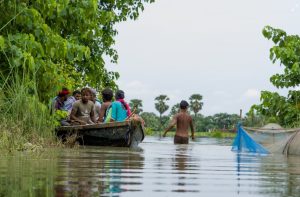
 At Samridhi Foundation, we recognise that disasters—whether natural or human-induced—pose significant threats to lives, livelihoods, and long-term development. Our Disaster Preparedness & Relief Programme is designed to strengthen community resilience by equipping individuals, institutions, and local governance systems with the knowledge, tools, and resources to effectively prepare for, respond to, and recover from disasters.
We work at the grassroots level, particularly in disaster-prone regions, to build awareness and capacities on risk reduction. Through training workshops, community drills, and simulation exercises, we empower local volunteers, women, and youth to act as first responders during emergencies. Special emphasis is placed on integrating disaster risk reduction into everyday community planning—ensuring that preparedness becomes a way of life rather than a reaction to crises.
In times of calamity, our teams provide rapid humanitarian assistance, focusing on food, safe drinking water, shelter, healthcare, and psychosocial support. Relief operations are designed to be inclusive and equitable, addressing the needs of vulnerable groups such as women, children, the elderly, and persons with disabilities. Post-disaster, we work closely with affected communities to restore livelihoods and rebuild infrastructure in a manner that is more resilient and sustainable.
The programme also fosters collaborations with government agencies, disaster management authorities, and civil society organisations to strengthen multi-stakeholder coordination. By advocating for climate-resilient development and community-led disaster governance, Samridhi Foundation ensures that vulnerable populations are not only supported in times of crisis but are also better prepared for future risks.
Our commitment is to transform disaster response from reactive aid into proactive resilience-building. Through this approach, we strive to reduce vulnerability, save lives, and ensure that communities emerge stronger, safer, and more self-reliant in the face of adversity.